Steel fabrication plays a central role in any commercial building construction project. You manage schedules, budgets, and multiple crews. When the steel shows up wrong, late, or out of spec, your entire project feels the impact. Some issues are frustrating but fixable. Others bring everything to a standstill.
You can avoid many of these setbacks when you understand where steel fabrication problems usually start. Here are the failures that cause the biggest disruptions and how you can stay ahead of them.
1. Inaccurate Shop Drawings
Shop drawings guide the entire fabrication process. When they’re off, even by a small amount, you see the effects immediately.
You’ve probably dealt with:
❌Dimensions that don’t match the plans
❌Details missing from connection points
❌Changes that never made it into the drawing set
One incorrect measurement can stop installation crews and create a chain reaction of delays. You might have to request new parts or wait for revised drawings before work can continue.
Why This Happens
- Design revisions are shared late or through different channels.
- Drawings move through fast approval cycles with limited review time.
- Architects, engineers, and fabricators interpret details differently.
How You Can Prevent It
Take a moment to compare the latest drawings with the revision log before fabrication begins. This quick check helps you catch outdated details that are easy to miss during fast turnovers.
Ask your fabricator how they verify measurements and track changes on their end. When both sides confirm the same information early, you avoid delays caused by correcting drawings after fabrication starts.
2. Material Quality Issues
Material quality directly affects strength, durability, and appearance. When steel arrives with defects or inconsistencies, you lose time sorting out replacements. Issues you may have seen include:
❌Steel that performs poorly during welding
❌Material that doesn’t match structural specs
❌Early signs of corrosion from improper coatings or storage
Why This Happens
- Material suppliers follow inconsistent quality practices.
- Steel is damaged during shipping or stored without protection.
- Certifications are missing or incomplete when the material arrives.
How You Can Prevent It
Request mill test reports before fabrication so you know the steel meets your project requirements. Ask for photos when the material reaches the shop to confirm its condition.
It also helps to understand how your fabricator stores and handles steel. Good protection minimizes damage before fabrication begins.
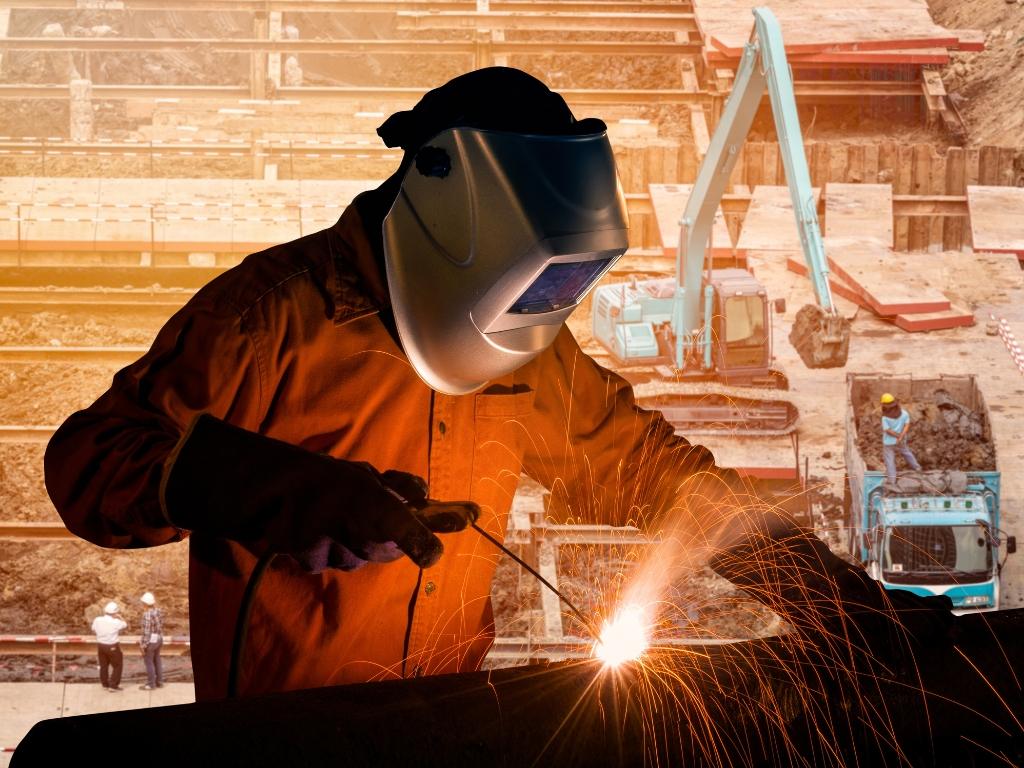
3. Welding Problems That Slow Everything Down
Weld failures are one of the fastest ways to derail inspections and approvals. These problems often show up during inspections, and when that happens, crews wait while repairs are made. Some issues include:
❌Porosity
❌Undercutting
❌Misalignment
❌Cracks after cooling
Why This Happens
- Heat settings don’t match the joint or steel thickness.
- Surfaces aren’t cleaned or prepared properly before welding.
- Oversight is limited, and mistakes pass through unnoticed.
- Welders lack the certifications required for specific procedures.
How You Can Prevent It
Ask whether your fabricator uses certified welders and keeps those certifications current. Request their welding procedure specifications so you know how critical welds will be handled.
It also helps to confirm their inspection process before steel leaves the shop. Strong checks reduce rework and help you pass inspections faster.
4. Misaligned Bolt Holes and Connections
Few things frustrate field crews more than parts that don’t fit together. This forces installers to adjust parts on-site or send components back for rework. You lose time, labor, and momentum. You’ve likely run into:
❌Bolt holes drilled slightly off
❌Misaligned plates
❌Inconsistent spacing on connections
Why This Happens
- Measurements are taken manually without a verification step.
- Cutting and drilling equipment is out of calibration.
- Drawings lack clear spacing or alignment details.
How You Can Prevent It
Ask your fabricator to explain how they verify measurements before drilling or cutting. Confirm that their tools are calibrated and inspected regularly. Reviewing high-priority connection points early helps catch alignment issues before fabrication begins.
5. Incorrect or Incomplete Surface Coatings
Surface treatments protect steel from corrosion and wear. When coatings fail, problems appear quickly, especially on exposed structures. These issues lead to rework, delays, and extra expense. Common issues include:
❌Coating that peels
❌Rust appearing earlier than expected
❌Uneven or incorrect thickness
Why This Happens
- Surfaces aren’t cleaned or blasted to the correct profile.
- Coating is applied at the wrong thickness.
- Cure times are shortened due to schedule pressure.
How You Can Prevent It
Ask whether your fabricator follows standard prep procedures such as SSPC or NACE. Request coating thickness and curing documentation so you know the work meets your specifications. You can also confirm how coated steel is stored before delivery to avoid damage.
6. Delayed Deliveries and Scheduling Issues
Even perfectly fabricated steel causes problems when it arrives at the wrong time. You may have dealt with:
❌Crews waiting for missing components
❌Deliveries arriving early, cluttering the site
❌Delays that affect other trades
Why This Happens
- Schedules don’t include buffer time for fabrication or transport.
- Fabricators and trucking companies coordinate late.
- Weather or transport restrictions slow deliveries.
- Delays aren’t communicated until crews are already waiting.
How You Can Prevent It
Ask for delivery dates that match your installation sequence so steel arrives in the right order. Weekly updates help you track progress and adjust early. It also helps to understand how your fabricator communicates delays so planning stays consistent.
7. Weak Quality Control at the Fabrication Shop
A strong QC process can prevent most fabrication failures long before delivery. But when QC is weak, you see problems like:
❌Incorrect dimensions
❌Poor weld quality
❌Inaccurate fit-up
❌Missing labels
❌Coating defects
Why This Happens
- Quality control steps are skipped to save time.
- Inspectors don’t document measurements or weld checks consistently.
- Shops lack a clear process for labeling, coating checks, and fit-up verification.
How You Can Prevent It
Request recent inspection reports to confirm that welds, dimensions, and coatings meet your requirements. Ask for welding certifications that match the work being performed.
Reviewing coating logs and labeling procedures gives you a clear view of how they manage quality from start to finish.
The Bottom Line
A smooth commercial building construction project starts with reliable steel fabrication. When problems are caught early, you avoid delays, rework, and unexpected costs.
If you want accurate steel, consistent communication, and quality control you can trust, connect with Excel Steel. You’ll get fabrication that supports your schedule instead of slowing it down.